The allure of the overwater bungalow is perhaps the most enduring archetype in modern luxury travel. It represents a physical and psychological detachment from the terrestrial world, offering a direct, unbroken connection to the marine environment. Yet, as the market matures, the infrastructure supporting these experiences has become increasingly complex. For the discerning traveler, the primary challenge is no longer locating a villa above the tide, but distinguishing between a superficial aesthetic experience and a genuinely integrated, stress-free escape.
The logistical reality of maintaining a structure in a corrosive, high-energy saltwater environment necessitates significant capital and operational overhead. When a property markets itself as an all-inclusive, it is not merely selling a room and a meal plan; it is selling a specialized form of remote hospitality that must account for supply chain fragility, environmental stewardship, and the immense cost of servicing luxury standards in isolated, often uninhabited, atolls.
This article moves beyond the glossy imagery often associated with these destinations to provide an analytical framework for evaluating these investments. By dissecting the structural nuances of resort operations and the true composition of service packages, we aim to provide a roadmap for those who demand clarity in their pursuit of the world’s most elevated hospitality experiences.
Understanding “top overwater hotels all inclusive plans”
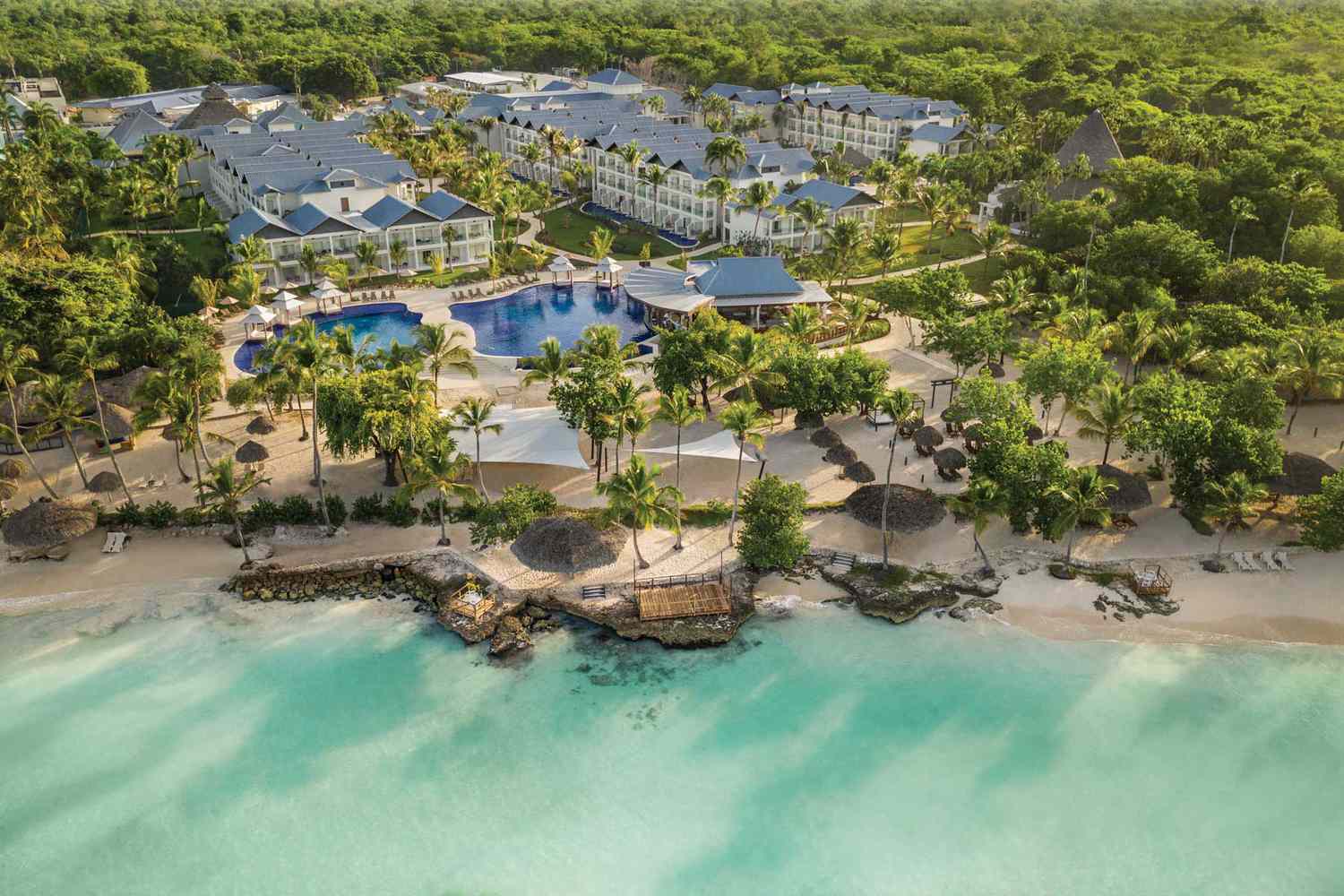
The phrase “top overwater hotels all inclusive plans” is frequently treated by booking engines as a synonymous grouping, but within the industry, these terms occupy distinct domains of intent. To understand these plans, one must first deconstruct what “all-inclusive” actually signifies in a remote marine context.
In the mid-market hospitality sector, “all-inclusive” is often a synonym for cost-capping and convenience. In the rarefied world of top-tier overwater resorts, it serves a different purpose: it is a mechanism for removing friction. At a five-star private island resort, every meal, every cocktail, and every logistical hurdle (such as seaplane transfers or inter-island boat trips) represents a potential micro-transaction that can break the spell of seclusion.
The primary misunderstanding lies in the assumption of “completeness.” Even the most robust plans have boundaries. The most successful stays are not those that capture every possible amenity within a flat fee, but those where the traveler aligns their specific preferences with the structure of the resort’s defined “inclusive” parameters.
Deep Contextual Background
The evolution of the overwater villa is rooted in the 1960s, initiated by a group of expatriate hotel owners in French Polynesia. Originally conceived as a way to provide modest, authentic, and inexpensive access to the lagoon for budget-conscious divers, the concept underwent a rapid, high-capital transformation in the 1980s and 90s, particularly in the Maldives.
The transition from “simple hut on stilts” to “technological marvel” was driven by the global rise of the honeymoon and anniversary travel market. Developers realized that the architectural premium of being “over the water” allowed for a significant expansion of price elasticity. This shift forced a change in operational models. Resorts moved from being simple accommodation providers to self-contained, island-sized ecosystem managers. Today, the most prestigious properties function as mini-municipalities, managing their own desalination, power generation, waste treatment, and advanced logistics chains.
Conceptual Frameworks for Luxury Selection
To navigate the options, one should utilize mental models that prioritize functionality over marketing aesthetics:
-
The Logistical Proximity Model: How far is the resort from the international gateway? A property accessible by boat has a lower “logistical tax” and fewer weather-dependent delays than one requiring multiple seaplane or puddle-jumper connections.
-
The Resource Autonomy Spectrum: Does the resort outsource its supply chain, or is it vertically integrated? Resorts with organic gardens, desalination plants, and renewable energy grids generally provide more consistent service, as they are less reliant on the volatile transport of goods.
-
The “Isolation vs. Connectivity” Ratio: Determine if you prioritize absolute privacy (the “Robinson Crusoe” model) or the variety of a “dine-around” program. Absolute privacy often limits dining variety, while more “social” properties offer broader culinary choices but sacrifice the feeling of total seclusion.
Key Categories and Decision Logic
The market for these properties can be broadly categorized by the “breadth” of their inclusive offerings.
| Category | Typical Inclusions | Trade-Offs |
| Boutique Inclusive | All meals, select non-motorized activities. | Limited restaurant variety; fixed menus. |
| Dine-Around Premium | Multiple restaurants, premium alcohol, spa credits. | Higher entry price; potential for complex booking. |
| Expeditionary Inclusive | Includes private excursions, diving, unique experiences. | Requires high activity level to maximize value. |
| Hybrid Luxury | Breakfast/dinner included; alcohol/lunch à la carte. | Provides structure while allowing flexibility. |
Decision Logic: If your travel style is driven by activity (diving, photography, hiking), prioritize resorts that build excursions into the base rate. If your style is driven by culinary exploration, search for “dine-around” properties where the inclusive package covers multiple specialty restaurants, not just the buffet or main dining room.
Detailed Real-World Scenarios
-
The “Special Occasion” Honeymoon: Constraints include privacy and high-end aesthetics. Focus on properties that offer 24-hour butler service as a standard, ensuring that even within an all-inclusive framework, the service feels personal.
-
The “Deep Diver” Enthusiast: Here, the resort’s location relative to protected reefs is more critical than the thread count of the linens. Look for “inclusive” plans that specifically bundle daily guided dives.
-
The “Digital Nomad” Executive: Look for properties with dedicated, fiber-grade Wi-Fi infrastructure. Many overwater resorts use satellite internet, which can be inconsistent; verifying the bandwidth is a primary pre-booking requirement.
-
The “Family/Multi-Gen” Group: Prioritize resorts that have distinct “kids’ club” facilities, as many overwater-focused properties are strictly adults-only.
Planning, Cost, and Resource Dynamics
The “top overwater hotels all inclusive plans” are significant financial undertakings. When budgeting, apply the “Hidden Tax” rule: add 20–30% to the base rate to account for service charges, taxes, and the “premium upgrade” syndrome (where you find yourself wanting the specific bottle of wine or private sandbank dinner not included in the standard plan).
| Cost Component | Impact | Variability |
| Transfer Fees | High | Fixed |
| Specialty Dining | Moderate | High |
| Excursions/Diving | High | High |
| Alcohol/Beverages | Moderate | Low |
Risk Landscape and Failure Modes
The most common failure in an all-inclusive overwater stay is “Menu Fatigue.” Even with multiple restaurants, a week of living on a single small island can lead to a sense of claustrophobia. To mitigate this, choose a property that rotates its offerings daily or provides a robust, high-quality in-villa dining menu. Another risk is weather-related downtime. If your resort relies on seaplanes, a tropical storm can pause your travel for 24+ hours. Always pad your departure schedule by at least one day on the mainland side.
Measurement, Tracking, and Evaluation
How does one determine if the premium paid for an inclusive package was worth it? Use these three benchmarks:
-
The “Frictionless Index”: Did you have to sign a receipt for more than two items throughout the entire stay?
-
The “Engagement Metric”: Did the resort staff anticipate a need (e.g., refilling a minibar before it was empty) without prompting?
-
The “Resource Utility”: Did you actually utilize the activities, spa credits, or high-end dining included in the package, or were they left on the table?
Common Misconceptions and Oversimplifications
-
Myth: “All-inclusive” means every room-service request is free. Correction: Most luxury properties exclude 24-hour room service from the standard package to prevent waste.
-
Myth: All resorts in the Maldives provide the same level of overwater experience. Correction: The reef quality, water depth, and villa orientation vary wildly; a north-facing villa may have no sun on the deck, while a south-facing one may be exposed to harsh currents.
-
Myth: You can easily travel between islands to try other resorts. Correction: Most private island resorts are strictly cordoned off; inter-resort travel is rarely possible and almost never cost-effective.
Conclusion
The pursuit of the world’s most refined overwater experiences requires a departure from impulsive booking. Whether you are seeking the absolute seclusion of an atoll in the Indian Ocean or the dramatic volcanic backdrop of the South Pacific, the most successful journeys are those planned with an eye toward logistical autonomy and a clear understanding of the “inclusive” boundary. By focusing on the structural and operational integrity of the resort, you ensure that the experience remains a memorable departure from reality, rather than a logistical challenge.