The overwater bungalow occupies a singular space in the modern travel landscape, representing the intersection of extreme luxury and profound environmental sensitivity. These structures, suspended above delicate marine ecosystems, require more than a standard reservation. They demand a sophisticated understanding of logistics, seasonal weather patterns, and the specific engineering constraints of remote island infrastructure. Travelers who approach these properties with the same mindset applied to city hotels often find themselves ill-prepared for the unique operational realities of living over the tide.
Planning a visit to such a destination is not merely a matter of securing a room. It is a complex exercise in resource coordination. Each bungalow, while appearing isolated, functions as a node in a tightly managed utility network. Factors such as tidal fluctuations, supply chain vulnerability, and the environmental “carrying capacity” of the lagoon play a critical role in the availability and quality of the guest experience. A failure to recognize these variables can lead to profound disappointment, whereas a proactive approach reveals the intricate engineering that sustains these luxury environments.
This guide provides a comprehensive methodology for managing the complexities of planning such an excursion. It moves beyond the glossy marketing materials to explore the underlying systems that make these stays possible. By mastering the variables that influence access, cost, and environmental impact, one can transform a standard vacation plan into a studied, professional-grade itinerary that respects both the guest’s needs and the integrity of the marine habitat.
Understanding “overwater hotels booking plans”
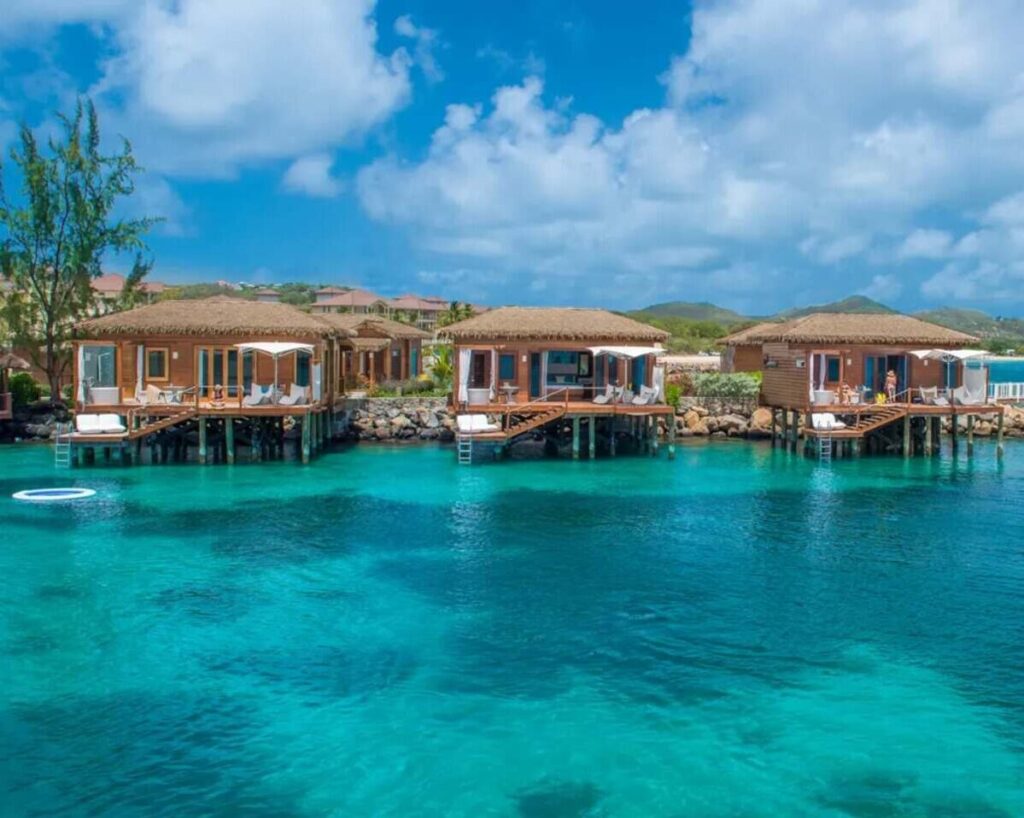
The term overwater hotels booking plans is frequently used in the travel industry, yet it is often misunderstood as a simple administrative task. In reality, these plans represent a multifaceted strategy for securing access to a highly limited, physically sensitive asset. A successful booking plan must account for the specific geotechnical and environmental limitations of the property. For example, a resort located on a fringing reef requires different considerations regarding storm-surge risk and seasonal accessibility than one located in a deep-water lagoon.
Common oversimplifications often lead to poor decision-making. Many travelers assume that all bungalows at a given resort offer a uniform experience. This is rarely the case. The position of a unit—whether it faces the sunrise or sunset, or its proximity to the utility hub—can dramatically alter the quality of the stay. Furthermore, these plans must integrate the logistical requirements of getting to the property, which often involve specialized sea or air transport that is subject to intense weather variability.
Investors and high-end travelers alike must recognize that these booking strategies are, in essence, risk-management exercises. When you develop overwater hotels booking plans, you are effectively hedging against the potential for logistical, weather-related, or environmental disruption. Those who fail to account for the “tethered” nature of these properties—where the bungalow’s operation depends entirely on the seamless functioning of the resort’s hidden infrastructure—often find that their plans crumble at the first sign of a weather event or a technical failure.
Historical and Systemic Evolution
The practice of booking these stays has evolved alongside the development of the resorts themselves. In the early era of overwater tourism, reservations were handled through primitive, decentralized networks. Today, the process relies on sophisticated, data-driven systems that monitor everything from local reef health to the structural maintenance schedules of the individual bungalows. This systemic evolution reflects the increasing professionalism of the sector, where the “guest experience” is now inextricably linked to the “asset management” of the marine environment.
Conceptual Frameworks and Mental Models
Navigating the logistics requires several core mental models:
-
The Dependency Model: Every overwater unit is a dependent variable of the central resort grid. Booking strategies must recognize that the most “private” units are also the most reliant on long, fragile service conduits.
-
The Environmental Feedback Loop: Bookings are limited by the resort’s ability to maintain the health of the lagoon. A plan that ignores the seasonality of coral bleaching or peak storm frequency is a plan that overlooks the primary factor in guest satisfaction.
-
The Resilience Hierarchy: Always categorize potential bookings based on their structural redundancy. Does the property have backup power and desalination capabilities? A booking plan is only as robust as the property’s ability to remain functional during a crisis.
Key Categories and Operational Variations
| Category | Typical Location | Booking Complexity | Primary Trade-off |
| Protected Lagoon | Shallow/Calm | Moderate | Lower marine biodiversity |
| Exposed Reef | Deep-Water | High | Higher risk of disruption |
| Floating/Modular | Variable Depth | Extreme | High sensitivity to swell |
| Land-Attached | Causeway-Linked | Low | Lower privacy levels |
Decision logic dictates that the “best” booking is not the most expensive, but the one most compatible with the guest’s risk tolerance for environmental and logistical variability.
Detailed Real-World Scenarios
-
The Storm Surge Pivot: A traveler books an exposed reef bungalow during the monsoon shoulder season. The property is forced to relocate them to a land-based unit due to wave safety protocols. An effective booking plan would have factored in the probability of such a shift and prioritized a property with superior land-side infrastructure.
-
The Logistics Bottleneck: A group books the entire row of “sunset-facing” bungalows, which are located at the end of the longest pier. During a high-demand period, the resort’s service capacity is overwhelmed by the sheer distance to these units, leading to delayed service. The failure mode here is an imbalance between unit density and logistical support capacity.
-
The Environmental Closure: A resort closes a section of the overwater area for emergency pile repair. The guest is left without the requested experience. Sophisticated overwater hotels booking plans should include granular confirmation of maintenance schedules before finalizing payment.
Planning, Cost, and Resource Dynamics
The economic volatility of an overwater stay is significant, influenced by supply chain constraints and the high cost of maintaining specialized aquatic machinery.
| Resource Factor | Cost Impact | Variability |
| Logistics/Transport | High | Extreme (Weather-linked) |
| Maintenance Levy | Constant | Low |
| Sustainability Fees | Moderate | High (Regulatory changes) |
| Premium Surcharge | High | High (Demand-indexed) |
Investors and planners must treat these expenses as essential costs of operating in an extreme environment, rather than elective upgrades.
Tools, Strategies, and Support Systems
-
Marine Weather Data Sets: Real-time monitoring of swell heights and wind speeds should guide the timing of a booking.
-
Structural Maintenance Calendars: Requesting the resort’s upcoming repair schedule can help identify periods of high operational disruption.
-
Hydrodynamic Mapping: Understanding the flow patterns of the lagoon allows one to choose a unit with the best water quality and temperature regulation.
-
Specialized Concierge Networks: Utilizing experts who focus exclusively on marine-based hospitality ensures that logistical nuances are managed professionally.
Risk Landscape and Failure Modes
The primary risks include structural fatigue, which may cause localized closures; environmental degradation, which removes the value of the view; and supply chain collapse, which renders the isolated bungalow uninhabitable. When these compounding risks are ignored during the planning phase, the outcome is rarely a simple refund; it is a fundamental loss of the intended travel experience.
Governance, Maintenance, and Long-Term Adaptation
The governance of a reservation should mirror the governance of the asset. One should ensure that the property has a rigorous schedule of maintenance. Key triggers for an adjustment in plans include any major shift in the local environmental reports or notice of large-scale infrastructure overhauls that could compromise the stay. A layered checklist for verification includes confirming current waste-management certifications and recent structural integrity audit summaries.
Measurement, Tracking, and Evaluation
-
Leading Indicators: Changes in local weather forecasts, staff availability, and property-specific repair notifications.
-
Lagging Indicators: Final quality of the stay relative to the booking, speed of service delivery, and the actual condition of the bungalow upon arrival.
-
Documentation: Keep a clear ledger of all logistical confirmations, including transport schedules, to ensure that the “tethered” nature of the booking is accounted for.
Common Misconceptions and Oversimplifications
-
Myth: All overwater bungalows offer total privacy. Reality: Many are overlooked by neighboring units or staff walkways; choose placement based on site maps.
-
Myth: Booking early guarantees the “best” room. Reality: Internal property policies may reassign rooms based on operational needs, rendering “best” a relative term.
-
Myth: High cost equals high durability. Reality: High cost often reflects marketing premiums rather than superior marine engineering or environmental resilience.
Ethical and Contextual Considerations
The ethical choice is to select properties that practice transparent environmental management. If a resort does not openly report on its lagoon health or its waste disposal practices, it is a red flag. True luxury in this context means selecting a property that treats its marine environment as an irreplaceable capital asset, rather than an expendable resource.
Conclusion
The successful execution of overwater hotels booking plans requires a shift in perspective. It demands that we view these stays not merely as a purchase, but as a deliberate engagement with a fragile, complex, and high-maintenance environment. By integrating a deep understanding of logistical, seasonal, and structural realities into the planning process, one can ensure that the stay is as resilient and rewarding as the ecosystem itself. The ultimate goal is to move past the superficiality of the transaction and reach a level of planning that respects the immense effort required to provide such a unique experience.