The overwater bungalow occupies a unique position in modern hospitality, serving as both a sanctuary and an exposed outpost in high-energy maritime environments. While these structures define the tranquil lagoons of the South Pacific and the Maldives, their placement creates a profound logistical challenge: the centralization of supply chains in remote, often inaccessible locales. For the guest, the allure of the lagoon is powerful, yet it often obscures the underlying systemic costs associated with sustaining a high-end culinary operation at the edge of the world. Success in managing these costs requires more than simple frugality; it demands an analytical understanding of how resort logistics dictate pricing models.
To define the reality of this subject requires a precise, and often sobering, look at geography, import dependency, and the economic structure of luxury travel. Because many coastal regions lack the local agricultural infrastructure to support intensive, high-end gastronomic programs, the reality of dining costs often shocks the uninitiated. When travelers identify these experiences, they almost invariably encounter a system where the “cost of access” is baked into every invoice. Understanding this framework serves as the cornerstone of informed travel planning and, ultimately, financial management.
By focusing on underlying logistics, operational realities, and the true components of luxury dining, one can identify strategies to mitigate expenditure while maintaining the integrity of the travel experience. This article provides the analytical framework necessary to evaluate these destinations, focusing on the infrastructure, sustainability, and logistical foundations that define a truly premium, resilient aquatic stay, and offers a rational approach to managing the inherent costs of such remote hospitality.
Understanding “how to reduce overwater hotels dining expenses”
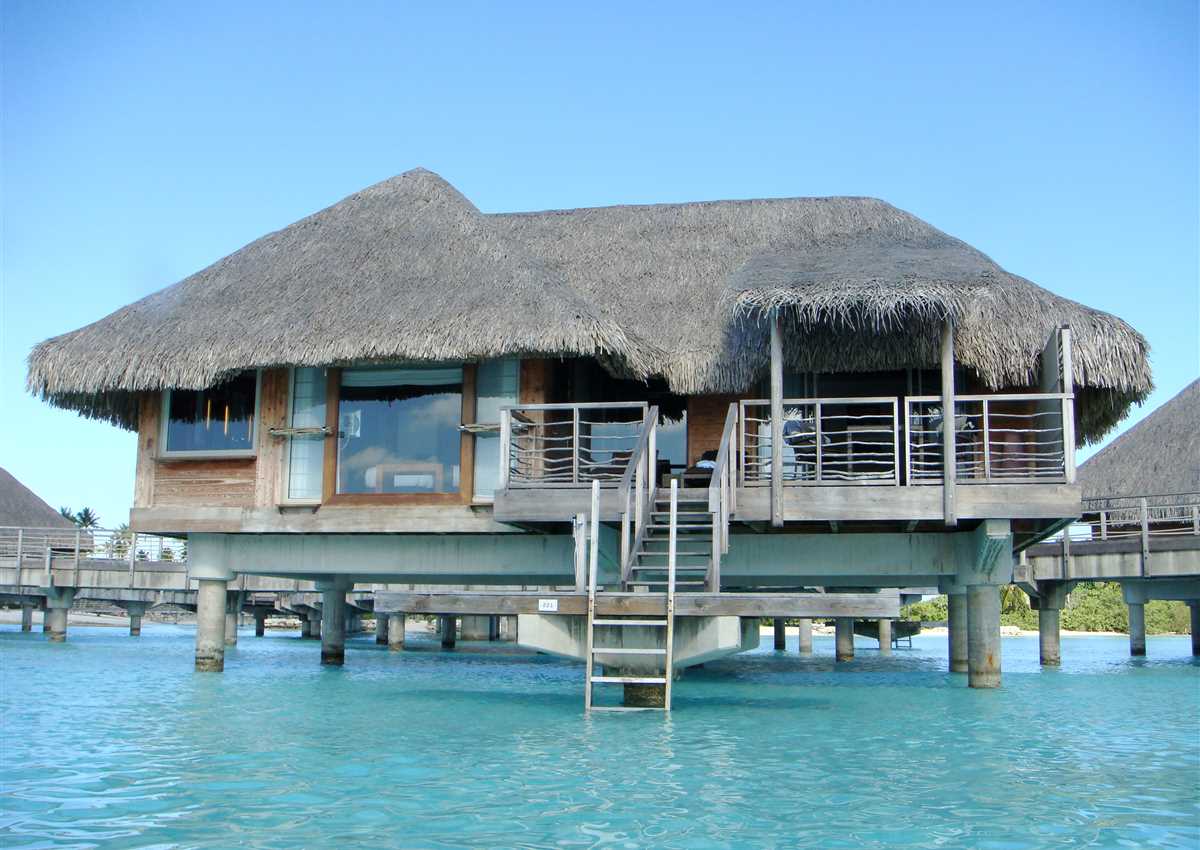
The search for robust methodologies on how to reduce overwater hotels dining expenses frequently suffers from a misunderstanding of what these operational frameworks actually entail. In the global market, an overwater resort exists in a state of artificial equilibrium, where every ounce of food—from imported wine to fresh produce—must be barged, flown, or shipped into the lagoon. Consequently, the pricing reflects not just the quality of the ingredients, but the sheer logistical gravity required to deliver them to a remote pier.
A common misunderstanding suggests that these high prices result primarily from markups on luxury goods. In reality, the quality of a dining expense is determined by the resort’s ability to navigate the “Logistical Distance Decay” framework. The primary risk in developing a strategy to manage these costs is the failure to distinguish between avoidable extravagance and the unavoidable overhead of remote island supply chains. One cannot effectively reduce these costs without first accepting that the resort is a captive ecosystem.
Oversimplification acts as a primary catalyst for financial frustration. Treating the cost of dining as a flexible variable ignores the reality that there is no competition in a captive lagoon. An effective approach requires the discerning guest to examine the procurement architecture of the resort. Does the resort emphasize local, sustainable sourcing, or is it heavily reliant on international imports? Recognizing these nuances proves essential for any stakeholder seeking a genuine, rather than a performative, approach to managing travel budgets.
Deep Contextual Background
Historically, the overwater resort evolved to maximize ocean frontage where land scarcity existed. Early efforts often ignored the long-term impact of imported luxury goods on local economies and environments. Consequently, these hospitality models became “resource-intensive” assets that required constant, inefficient replenishment. The industry has since moved toward higher-grade materials and complex, data-reliant procurement methodologies, although the cost of these logistics remains stubbornly high.
Systemically, this has forced developers to adopt a highly cautious approach to culinary expansion. Where early, informal projects sometimes expanded their dining menus without consideration for waste-stream management or supply-chain sustainability, current professional standards demand that developers model every menu addition for its long-term viability. This evolution mirrors the broader professionalization of the maritime hospitality sector. Today, the industry prioritizes predicting supply-chain failure before it occurs, rather than reacting once the cost of imported goods becomes unsustainable for the property or the guest.
Conceptual Frameworks for Asset Resilience
To manage expectations regarding financial efficiency, one should apply several conceptual lenses:
-
The Logistical Tether Principle: The price of a meal increases in direct proportion to the complexity of the delivery chain. If an item requires specialized cold-chain logistics to reach the lagoon, the cost will inevitably reflect that fragility.
-
The Resource Replacement Model: This framework suggests that the cost of imported luxury goods is a function of the absence of local resource circularity. Resorts that invest in on-site hydroponics or desalination significantly lower their long-term operational overhead.
-
The Captivity Index: A mental model for determining value. If a guest has no alternative but to dine within the resort’s infrastructure, the “captivity index” is high, and therefore, negotiation is non-existent. Strategy must focus on pre-arrival resource planning.
Key Categories and Structural Variations
| Category | Sourcing Model | Price Determinant | Management Strategy |
| Full-Import | International Logistics | Shipping/Refrigeration | Bulk pre-booking |
| Hybrid | Local/International Mix | Availability/Seasonality | Seasonal menu selection |
| Self-Sufficient | On-site Production | Infrastructure Maintenance | Asset-based valuation |
| Inclusive Model | Fixed-Cost Bundling | Operational Efficiency | Risk-pooled budgeting |
Decision logic dictates that the choice of resort type serves as the greatest determinant of long-term dining cost. Projects that prioritize imported prestige items over geomorphological suitability always experience higher baseline costs.
Detailed Real-World Scenarios
-
The Hydrodynamic Failure: A resort relies on a single international logistics partner to import fresh seafood. A storm impacts the regional air-freight capacity, leading to a shortage. The resort pivots to high-end, high-cost replacements, and guests bear the immediate cost spike.
-
The Supply-Chain Audit: An organizer realizes that the “à la carte” pricing at an overwater resort is optimized for convenience, not value. They successfully renegotiate a fixed-price meal package by leveraging the volume of the group, effectively smoothing the price volatility.
-
The Logistical Bottleneck: A remote project suffers from a mechanical failure in its primary supply barge. Residents and guests alike discover that their definition of “lifestyle” and “dining” was entirely dependent on external supply lines they had ignored, leading to a sudden pivot to emergency, high-cost supply sourcing.
Planning, Cost, and Resource Dynamics
The economic profile of these assets features high upfront costs and a non-linear maintenance curve for all goods entering the site.
| Factor | Cost Impact | Variability |
| Imported Logistics | High | Extreme (Frequency/Scale) |
| Energy for Storage | Moderate | Constant (Climate-controlled) |
| Waste Disposal | Moderate | High (Marine-sensitive) |
| Human Capital | Moderate | Predictable |
Learning about how to reduce overwater hotels dining expenses helps the guest understand the cost-to-value ratio. These experiences carry high prices because the infrastructure required to deliver goods to a marine environment far exceeds standard land-based culinary logistics.
Tools, Strategies, and Support Systems
-
Procurement Mapping: Analyzing the supply chain of potential destinations to identify those with lower import reliance.
-
Volume-Based Negotiation: Engaging with the resort management on fixed-cost packages before arrival to eliminate high-variability menu pricing.
-
Asset-Based Inventory Management: Stocking personal essentials that have high markup ratios in remote hospitality contexts.
-
The “Resource-Load” Analysis: Evaluating whether a property utilizes sustainable on-site resources, which often correlates with more stable, lower-cost dining structures.
Risk Landscape and Failure Modes
Risk in the overwater sector compounds over time. A small failure in the supply-chain reliability can lead to a systemic reliance on expensive, emergency-sourced goods. Operators must break this sequence through rigorous, granular procurement cycles. They should rely on systemic, data-driven procurement reports rather than mere menu-pricing signals.
Governance, Maintenance, and Long-Term Adaptation
Governance of these culinary assets must shift toward “predictive procurement.” Local resort management needs to implement trigger-based systems: if a certain logistical metric is hit, sourcing must pivot to local or sustainable alternatives. If importation costs reach a specific height, resort investment must pivot to on-site production, such as improved agricultural infrastructure, to stabilize long-term pricing for the guest.
Measurement, Tracking, and Evaluation
-
Leading Indicators: Municipal investment in non-tourist infrastructure, such as port facilities and cold-storage logistics, which reduces delivery costs.
-
Lagging Indicators: Migration patterns (are costs forcing shifts in resort clientele?), dining retention rates, and menu-price volatility.
-
Documentation Example: An “Expenditure Integrity Profile” that tracks the projected vs. actual cost of dining goods in relation to import volume.
Common Misconceptions and Oversimplifications
-
Myth: It is always “paradise.” Correction: It is a high-cost, high-maintenance environment that requires constant, intense procurement monitoring.
-
Myth: Market appreciation of food quality is infinite. Correction: Logistical limitations will eventually create a “culinary ceiling” where price cannot compensate for supply-chain instability.
-
Myth: The government will protect the luxury supply chain. Correction: Management of remote supply chains is a private-sector responsibility; individual resilience is more effective than institutional reliance.
Conclusion
Understanding the landscape regarding how to reduce overwater hotels dining expenses requires discipline, foresight, and humility before the reality of remote geography. These resorts provide beauty, but they also remain precarious in their economic operations. Their survival—and the guest’s financial success—depends on the recognition that human luxury must respect the natural constraints of the tide. By prioritizing logistical insight, proactive procurement, and the cold reality of remote infrastructure, one can find a genuine, sustainable existence within these fragile, beautiful enclaves.