The allure of overwater accommodations—where the boundaries between the built environment and the marine ecosystem dissolve—represents a zenith of luxury travel. Yet, the architectural and operational realities of these structures are frequently misunderstood by the modern traveler. A bungalow suspended over a reef is not merely a hotel room; it is a complex engineering feat situated within one of the most fragile biomes on Earth.
This article deconstructs the structural, operational, and environmental dynamics that define the overwater experience. By moving beyond the imagery of curated marketing, we provide a forensic examination of the logistical hurdles and planning oversights that characterize the sector. For the sophisticated traveler, the distinction between a transformative aquatic stay and a logistical failure often hinges on a granular understanding of how these properties function under the constant stress of the open sea.
We intend to offer a definitive reference for those seeking to navigate the nuances of these environments. By examining the systemic challenges inherent in maintaining habitable space above high-energy water environments, we illuminate the path toward informed engagement, ensuring that the traveler’s expectations align with the technical and ecological limitations of the destination.
Understanding “common overwater hotels travel mistakes”
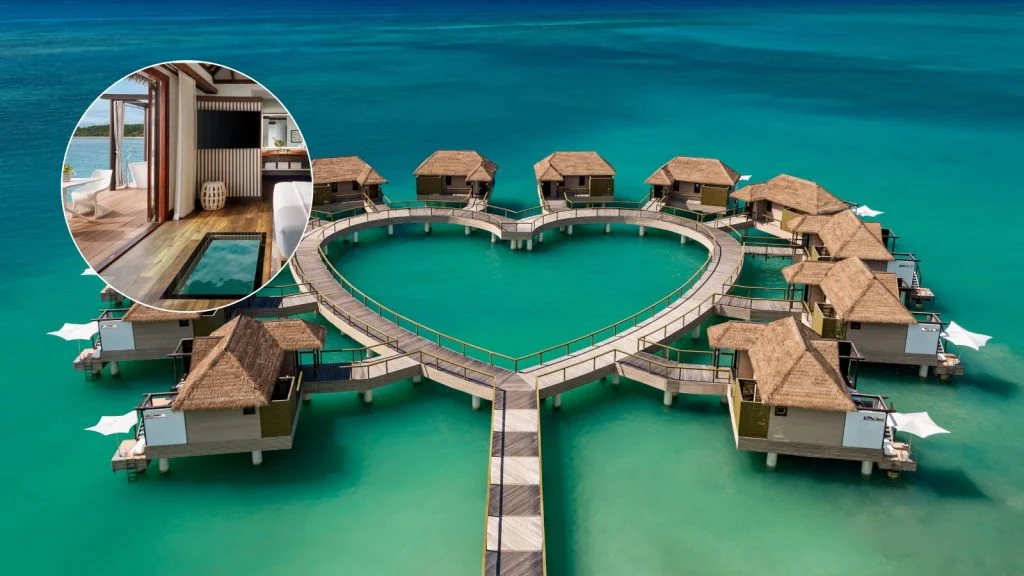
The prevalence of common overwater hotels travel mistakes stems largely from a mismatch between user expectation and environmental reality. When prospective guests book an overwater suite, they are often purchasing a specific visual aesthetic, yet they frequently overlook the functional variables—such as current flow, tidal variance, and the specific orientation of the bungalow—that dictate the quality of the stay. An overwater unit positioned on the leeward side of an island during the wrong season will provide a vastly different experience than one positioned on the windward side, a detail rarely highlighted in the booking process.
Furthermore, the “resort-centric” model often masks the reality that these structures exist at the edge of human intervention. In reality, there is a massive divide between properties that utilize heavy-duty concrete pilings and those that rely on lighter, more temporary timber structures. Recognizing the difference between these structural models is a critical component of pre-trip due diligence, as it directly impacts the level of ambient motion and structural stability a guest will encounter during a storm or high-tide event.
Deep Contextual Background: The Physics of Exclusion
Historically, the overwater bungalow was a radical architectural departure from the terrestrial hotel. However, the modern iteration of this concept has moved into more exposed, ecologically diverse zones, which presents a fundamental physics problem: how to maintain a dry, comfortable, and luxurious interior within an environment designed by nature to be fluid, saline, and corrosive.
The systemic evolution of these hotels has been forced into a corner by the necessity of environmental conservation. Today, developers must navigate a labyrinth of regulations meant to prevent the stagnation of lagoons and the destruction of coral systems. This has resulted in a shift toward “modular” overwater units that are easier to replace but often less sound-proof and stable than the concrete-heavy builds of the previous decades. Understanding this evolution helps the traveler anticipate that a “modern” bungalow may be designed for efficiency rather than pure, heavy-duty durability.
Conceptual Frameworks and Mental Models
To evaluate these properties effectively, we propose three frameworks that bypass standard consumer reviews:
-
The Bathymetric Model: This assumes that the “quality” of an overwater room is tied to the depth and clarity of the water beneath it. A room with deep, nutrient-poor water is less likely to support the vibrant marine life that justifies the room’s price, whereas shallow, sunlit water requires more complex lagoon management.
-
The Structural Stability Model: This measures the rigidity of the building. Travelers must consider the “pendulum effect”—the small, inevitable vibrations caused by wave impact against the pilings—which can be a point of significant friction for guests who prioritize absolute stillness.
-
The Orientation and Sun-Path Model: This evaluates the bungalow’s placement relative to the sun. A bungalow facing the sunrise versus one facing the sunset involves fundamentally different thermal profiles and levels of direct UV exposure, affecting everything from energy consumption to comfort on the deck.
Key Categories and Variations
| Category | Typical Structural Basis | Primary Advantage | Trade-off |
| Lagoon-Based | Timber/Lightweight | Maximum marine life | High noise/Low privacy |
| Pillar-Concrete | Solid/Reinforced | Stability | Ecological footprint |
| Floating Pontoon | Ballast-based | No environmental impact | Motion sickness risk |
| Estuary-Stilt | Mud-anchored | Privacy/Serenity | Lack of “crystal” water |
Decision Logic: Guests must weigh the desire for “pristine” blue water against the technical realities of lagoon aeration. Properties with highly active water circulation often have more “current” noise but cleaner, healthier ecosystems, whereas stagnant lagoons may appear perfect but are often biologically degraded.
Detailed Real-World Scenarios
-
The Seasonality Trap: A property may be perfectly situated for the dry season, but become a nightmare of wind-driven debris during the monsoon season. Guests often overlook regional weather patterns, treating a resort’s website as a guarantee of calm, regardless of the month.
-
The “Privacy” Miscalculation: Architecture in overwater resorts is notoriously susceptible to “line-of-sight” issues. Many travelers book the “best” room only to realize that the layout allows for direct viewing from the neighboring bungalow’s deck, a common outcome of densification efforts by property management.
-
The Utility Constraint: Overwater units rely on extended piping for sewage, electricity, and water.
Planning, Cost, and Resource Dynamics
The valuation of these experiences is heavily distorted by the perception of exclusivity. Because the cost of entry is high, guests expect a corresponding level of operational perfection that the environment itself may refuse to allow.
| Cost Element | Variability | Impact on Experience |
| Structural Maintenance Fee | High | Dictates the upkeep of the pier |
| Desalination/Power Load | Moderate | Affects reliability of cooling |
| Lagoon Remediation | Very High | Impacts water clarity/smell |
The opportunity cost of choosing a substandard overwater resort is significant. Instead of a transformative experience, one may spend their time dealing with structural noise, utility limitations, or a lack of privacy, effectively nullifying the investment.
Risk Landscape and Failure Modes
The taxonomy of failure for an overwater hotel is distinct from terrestrial hospitality:
-
Corrosion-Induced Utility Failure: Salinity affects wiring and plumbing in ways that are nearly impossible to eliminate.
-
Bio-Accumulation Risks: Overwater structures can become artificial reefs, attracting organisms that may clog intake systems or generate odors.
-
Structural Resonance: The transfer of wave energy through pilings can create a low-frequency hum that is physically exhausting for some guests over a long-term stay.
Governance, Maintenance, and Long-Term Adaptation
For the traveler, understanding the property’s Review Cycle—the interval at which they perform heavy structural maintenance—is paramount. The most resilient properties are those that have a multi-decade adaptation plan, acknowledging that the very environment they occupy is slowly destroying them. A property that is transparent about its “off-season” maintenance schedule is almost always a superior operational choice.
Measurement, Tracking, and Evaluation
A sophisticated traveler tracks the quality of their stay via:
-
Acoustic Profile: Is the sound of the ocean rhythmic or chaotic?
-
Deck Condition: Is there evidence of recent repairs or salt-proofing?
-
Water Velocity: Are there signs of flow management or is the water stagnant?
Common Misconceptions and Oversimplifications
-
“All overwater rooms are quiet.” False; many act as acoustic chambers for wind and water.
-
“The closer to the ocean, the better.” Not necessarily; deep-ocean proximity often means losing the benefit of protected lagoon ecology.
-
“The resort is always in control.” Incorrect; the tide, wind, and marine biology often dictate the terms of the stay, regardless of the resort’s management intent.
-
“High price guarantees privacy.” Often, the most expensive rooms are the most exposed to public view.
-
“New is always better.” In the overwater sector, a newly built resort often hasn’t dealt with the inevitable settling of pilings.
Conclusion
Avoiding common overwater hotels travel mistakes requires a fundamental shift in how the traveler interacts with the concept of luxury. These properties are not isolated capsules of perfection; they are vulnerable, dynamic sites of engineering that are in a constant, losing battle with their environment. Success is defined not by the avoidance of minor inconveniences, but by an appreciation for the structural and ecological fragility that makes the experience possible.