The intersection of human habitation and the water’s edge remains one of the most compelling, yet physically taxing, narratives in North American development. From the rugged, storm-battered cliffs of the Pacific Northwest to the tranquil, brackish inlets of the Atlantic seaboard, the American coastline offers a diverse tapestry of environments that define the quality of the aquatic experience. Unlike regions where density and climate allow for the commodification of the water through overwater bungalows or floating structures, the United States relies on a complex mosaic of land-use planning, environmental preservation, and sophisticated structural engineering to provide meaningful engagement with its vast maritime resources.
To define a superior aquatic encounter is to move beyond the superficial allure of luxury marketing. The true value of a coastal experience lies not merely in the proximity of the structure to the tide, but in the intentionality of the design, the preservation of the surrounding ecosystem, and the long-term structural viability of the site. As travelers and developers look toward more resilient, long-term models of coastal occupancy, the demand for authentic, high-fidelity engagement with the water has grown, necessitating a more rigorous analytical framework to determine what constitutes a premier destination.
This article provides an exhaustive evaluation of the methodologies used to assess these regions, the historical evolution of our coastal interactions, and the structural limitations that currently define the market. By deconstructing the systemic realities of American coastal development, we offer a reference asset for those seeking to understand the true nature of aquatic hospitality and the long-term viability of these environments.
Understanding “top waterfront experiences in america”
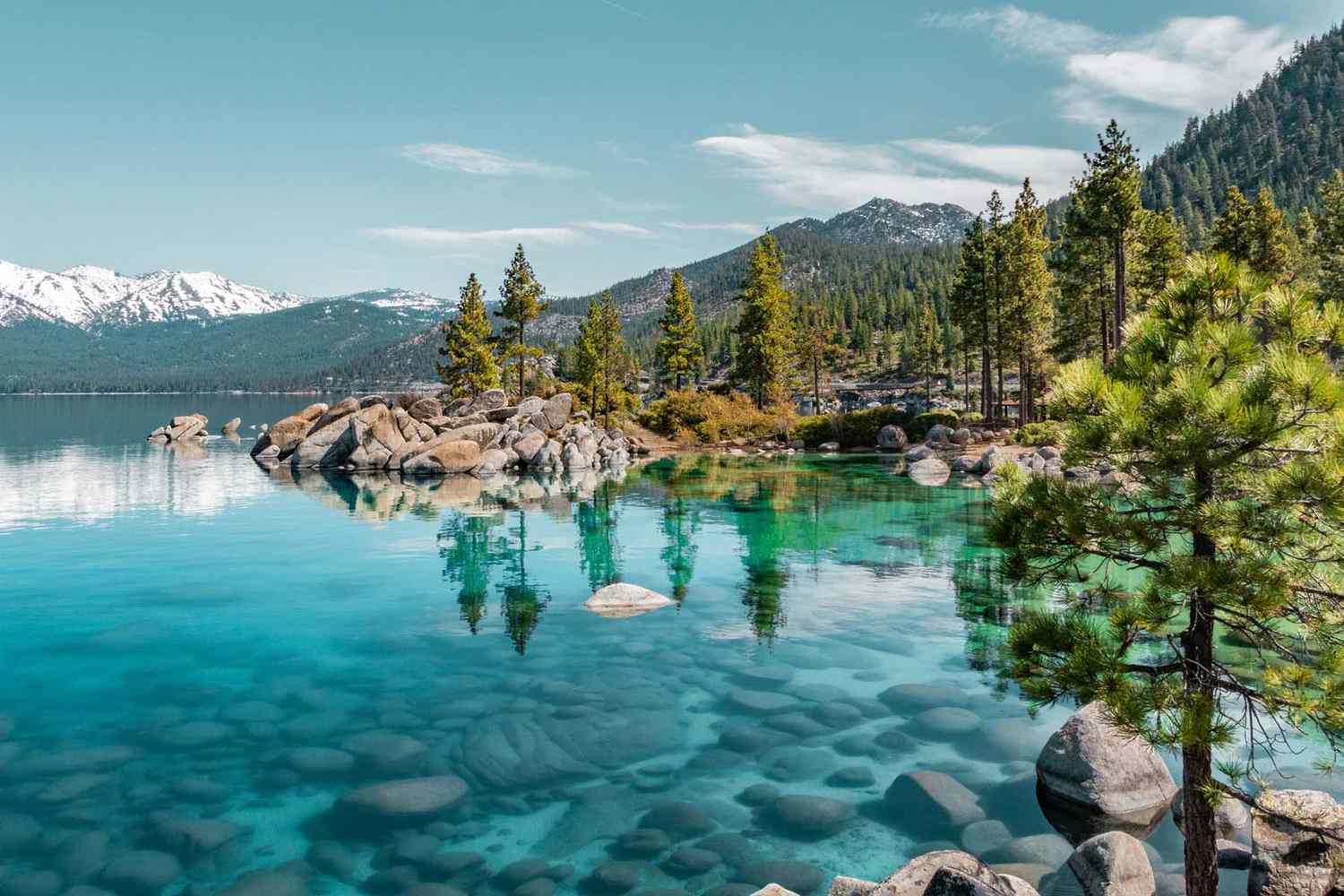
The designation of the “top waterfront experiences in america” is frequently hampered by a lack of granular categorization. In general parlance, the term is applied indiscriminately to beach resorts, deep-water marinas, and serene lake cabins, ignoring the profound differences in hydro-dynamics, ecological impact, and experiential quality. To understand these experiences, one must adopt a multi-perspective lens that separates accessibility from immersion.
A common error in evaluating these destinations is the assumption that the “best” experience is the one with the highest price point or the most visible infrastructure. In reality, the most profound experiences are often defined by their sensitivity to the host environment—resorts that prioritize the restoration of shoreline vegetation, the minimization of light pollution, and the sustainable management of tidal flow. Oversimplifying these experiences into a list of “must-visit” locations ignores the inherent complexity of coastal management, which varies drastically between the Great Lakes, the Gulf Coast, and the Atlantic seaboard.
Furthermore, the “best” experience is inherently subjective, contingent upon the user’s tolerance for environmental dynamism. For some, the ideal waterfront encounter involves the raw, kinetic energy of the Atlantic surf, requiring hardened infrastructure and high-clearance design. For others, the preference leans toward the liminal space of a marshland estuary, where the water is calm, brackish, and teeming with migratory life. This article seeks to provide a taxonomy that acknowledges these varied preferences while maintaining a standard of excellence defined by quality of architecture and ecological integrity.
Deep Contextual Background: The Evolution of Coastal Development
Historically, the American approach to the water has been utilitarian. Nineteenth-century developments focused on port activity, shipping, and industrial extraction. It was not until the mid-twentieth century that the “leisure-first” model began to dominate coastal planning. This transition necessitated a shift from defensive engineering—meant to keep the water at bay—to immersive architectural design that seeks to integrate the built environment with the dynamic nature of the shoreline.
The passage of modern environmental protection legislation fundamentally altered the trajectory of coastal development. Stricter controls on dredging, filling, and structural reinforcement in navigable waters compelled architects to innovate. Today, the evolution is moving toward “managed retreat” and resilient infrastructure, where the most highly regarded developments are those that anticipate sea-level rise and storm surge rather than attempting to defy them.
The systemic evolution can be categorized into three distinct eras:
-
The Extraction Era (Pre-1950s): Characterized by piers, warehouses, and the active modification of the coastline for trade.
-
The Expansion Era (1950s–1990s): Defined by mass-market tourism, the proliferation of beachfront condominiums, and the heavy use of concrete seawalls to protect property from natural erosion.
-
The Integration Era (2000s–Present): A current focus on sustainable luxury, where the most sought-after properties incorporate bioswales, native landscaping, and elevation strategies that work with the water rather than against it.
Conceptual Frameworks and Mental Models
To assess the quality of an aquatic destination, we propose three distinct frameworks that allow for a systematic evaluation of any site, regardless of its geographic location:
-
The Eco-Sensitivity Index: Measures the degree to which a development maintains local biodiversity and prevents soil erosion. A high-scoring destination uses permeable surfaces, restores native mangroves or grasses, and actively manages its footprint to minimize impact on the water table.
-
The Dynamic Integration Model: Evaluates how well a structure responds to the natural rhythms of the water, such as tidal range and seasonal lake-level variance. It favors buildings that feature adaptive pier systems or elevation methods that allow for periodic flooding without structural compromise.
-
The Experiential Fidelity Model: Assesses the extent to which the design facilitates a deep, sensory engagement with the water, moving beyond mere visual observation to include acoustic and atmospheric connectivity. This considers factors such as wind patterns, the proximity of sleep areas to the water’s edge, and the removal of physical barriers between the occupant and the marine or lacustrine environment.
Key Categories and Variations
Evaluating the top waterfront experiences in america requires an understanding of the diversity of the coastal landscape. Below is a classification based on hydrologic and architectural factors:
| Category | Typical Landscape | Primary Advantage | Technical Trade-off |
| Tidal Inlet/Estuary | Variable water levels | High biodiversity | Complex permitting |
| High-Energy Oceanfront | Direct wave exposure | Dramatic aesthetic | Extreme maintenance |
| Inland Lake/Loch | Controlled water level | Stability | Lower ecological diversity |
| Archipelago/Island | Multi-directional water | Absolute privacy | Logistical isolation |
| River Delta/Riparian | Flow-dependent | Unique flora/fauna | Seasonal flood risk |
Decision Logic: When choosing a destination, the traveler must decide whether their priority is predictability (Lake/Loch), dramatic immersion (Oceanfront), or ecological observation (Estuary/Delta). The technical trade-off—namely the maintenance burden associated with salt-water proximity—is non-negotiable and should be a primary factor in vetting potential accommodations.
Detailed Real-World Scenarios
-
The Coastal Storm Scenario: A guest booking an oceanfront property in the mid-Atlantic must recognize that their experience is contingent upon storm-mitigation protocols. Failure to understand the property’s evacuation route or the structural hardening (e.g., impact-rated glass, reinforced pilings) can lead to a severely truncated visit during hurricane season.
-
The Tidal Range Variable: In places like the Bay of Fundy or parts of the Pacific Coast, the tide shifts significantly. A property that feels “on the water” at 4:00 PM may look out onto mudflats by 8:00 PM. High-fidelity experiences require the resort to provide accurate tidal scheduling as part of their service layer.
-
The Lake-Level Management Problem: Many inland reservoirs or controlled lakes undergo seasonal drawdowns. A resort that markets “lakefront access” may find itself bordering a dry mudbank during the off-season. Informed decision-making here involves checking the dam management cycle of the local water authority.
Planning, Cost, and Resource Dynamics
The valuation of top waterfront experiences in america is notoriously difficult, as the costs associated with premium coastal living extend far beyond the nightly rate. One must account for the Hidden Cost of Resilience, which includes the structural reinforcement required to withstand salt spray, wind loads, and, in some cases, flood-plain mitigation.
| Cost Component | Typical Variability | Influence on Experience |
| Structural Integrity Fees | High | Dictates the safety of the unit |
| Salinity-Mitigation Costs | Moderate | Affects the visual quality of the exterior |
| Seasonal Resilience Prep | Very High | Impacts availability of services |
| Environmental Surcharges | Low to Moderate | Funds the restoration of the site |
Prospective visitors should view these costs not as arbitrary markups, but as necessary investments in the site’s ongoing operational survival. A property that is significantly cheaper than its neighbors often indicates a failure to maintain these essential, high-cost maintenance cycles.
Risk Landscape and Failure Modes
The failure of a coastal destination is often a “cascading” event. A structural failure, such as the undermining of a pier due to storm-driven scour, leads to regulatory shutdown, which then triggers a long-term loss of environmental certification. The taxonomy of risk in these regions includes:
-
Compound Risk: The intersection of climate change, aging infrastructure, and increased human activity.
-
Regulatory Risk: The sudden tightening of local ordinances concerning shoreline usage, which can render a previously “ideal” location untenable for long-term hospitality.
-
Maintenance Decay: The creeping degradation of non-load-bearing elements (railings, walkways) that slowly erode the “luxury” perception long before the structure itself becomes dangerous.
Governance, Maintenance, and Long-Term Adaptation
Effective management of these experiences requires a Layered Checklist for maintenance, ensuring that the property remains a viable, high-quality asset over decades rather than just a few seasons:
-
Immediate (Seasonal): Debris removal, deck surface inspection, and invasive species control.
-
Tactical (3–5 Year): Monitoring of shoreline migration, bulkhead integrity assessment, and electrical/utility shielding against salt air.
-
Strategic (10+ Year): Assessing the impact of sea-level rise projections on site elevation and evaluating the structural feasibility of existing piers or bungalow stilts in the face of changing hydrologic models.
Measurement, Tracking, and Evaluation
A robust evaluation of a waterfront experience relies on a synthesis of qualitative and quantitative signals.
-
Leading Indicators: The health of local marine life, the consistency of water clarity, and the status of native coastal vegetation. These act as proxies for the site’s environmental health.
-
Lagging Indicators: Occupancy stability, the frequency of necessary structural repairs, and the longevity of guest return rates. These reflect the operational success and durability of the hospitality model.
Documentation examples might include:
-
Shoreline Erosion Surveys: Periodic logs comparing the high-tide line over the previous five-year block.
-
Utility Efficiency Logs: Monitoring the energy costs associated with climate control in a high-moisture environment.
-
Biodiversity Census: An annual or biennial report on the presence of indicator species in the property’s immediate aquatic vicinity.
Common Misconceptions and Oversimplifications
-
“Shoreline hardening is always better.” Incorrect; hardened structures often exacerbate erosion elsewhere, creating a “domino effect” of damage along the coast.
-
“Proximity equals quality.” Proximity without ecological sensitivity often results in rapid degradation of the very environment that makes the location desirable, ultimately devaluing the experience.
-
“Coastal destinations are static.” These regions are inherently dynamic; the best destinations are those that allow for natural processes rather than attempting to fix the land in place.
-
“All water is the same.” The experience of a nutrient-rich, tidal estuary is fundamentally different from that of an oligotrophic, crystalline lake; understanding this distinction is crucial to setting appropriate expectations.
-
“Construction in water is simple.” Navigable waters fall under federal jurisdiction in the U.S., making every project a massive regulatory undertaking.
-
“Design can solve any problem.” Architectural intervention has limits; there are zones of high storm-surge probability where no amount of design ingenuity can safely house long-term hospitality.
Ethical, Practical, and Contextual Considerations
The ethics of coastal hospitality are increasingly centered on the concept of “Access vs. Impact.” As luxury developments occupy the most pristine segments of the U.S. coast, they often limit public access to the shoreline. The highest quality destinations, however, are those that find a balance between private luxury and public stewardship, often through the funding of conservation easements or public-access pathways that ensure the coast remains a shared resource rather than a gated monopoly. Practically, the traveler must accept that their presence has an environmental footprint; selecting properties that demonstrate a commitment to low-impact building and energy efficiency is a fundamental step in responsible travel.
Conclusion
The pursuit of the top waterfront experiences in america is an exercise in discerning the intersection of architectural innovation and environmental stewardship. The definitive reference for the discerning traveler and developer is not a catalog of the most famous beaches, but an understanding of how these sites have balanced the human desire for immersion with the unforgiving realities of the littoral zone. As we move further into a century defined by environmental flux, the true value of these destinations will increasingly be measured by their resilience, their structural integrity, and their ability to remain both accessible and protected in the face of an ever-changing tide. Adaptation is not merely a strategy for survival; it is the ultimate expression of luxury in the modern age.