The overwater bungalow occupies a unique position in modern architecture. It serves as both a sanctuary and an exposed outpost in high-energy maritime environments. These structures define the tranquil lagoons of the Maldives. However, their adaptation into the global hospitality market has necessitated complex operational frameworks. The allure of the lagoon is powerful. Nevertheless, it often blinds travelers to the systemic realities of accessing these assets.
The Engineering of Safety
The mechanism of access is rarely straightforward. For example, mainstream travel advice often suggests direct booking as the primary pathway. Yet, the sophisticated traveler understands that the infrastructure of access has shifted. It now leans toward loyalty tiers, fractional ownership models, and curated lifestyle clubs. In the context of global hospitality, identifying the best ways to understand how to avoid overwater hotels safety risks requires a structural understanding of inventory management. Furthermore, one must understand how programs release inventory and how logistical chains fluctuate.
This analysis provides the analytical framework necessary to evaluate these programs. Specifically, we focus on the infrastructure, sustainability, and logistical foundations that define a truly premium, resilient strategy for aquatic stays. We move beyond surface-level marketing descriptions. Therefore, we analyze the engineering and loyalty paradigms that allow these destinations to function as reliable, high-yield assets. Understanding these dynamics is essential for any professional or enthusiast. Additionally, we explore the strategies required to access it efficiently.
Understanding “how to avoid overwater hotels safety risks”
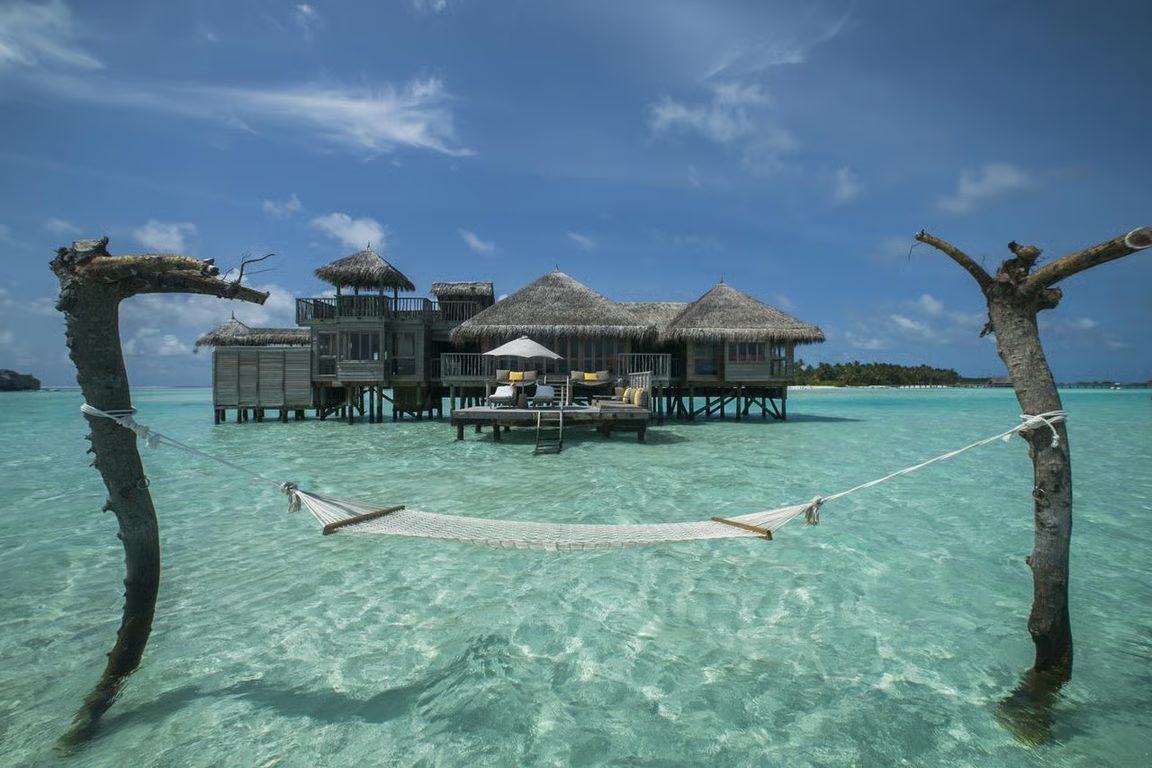
The professional imperative to understand how to avoid overwater hotels safety risks stems from the realization that luxury environments frequently mask operational fragility. Because the logistics of maintaining a structure over open water are inherently expensive, developers often struggle to balance the high overhead of operations with safety expectations. A common misunderstanding involves the assumption that safety is a static, universal metric. In reality, safety in this environment is highly context-dependent. A property that excels in the sheltered lagoons of the Maldives may struggle to replicate its security model in the high-energy coasts of the Caribbean.
Oversimplification poses a threat to a comprehensive evaluation of these properties. If an observer attempts to learn how to avoid overwater hotels safety risks by simply reviewing photos, they will invariably miss the systemic constraints of the property. Is the evacuation plan an automated, app-based communication system? Or is it a dedicated, on-call physical presence? Does the property maintain its own private water plant? These distinctions dictate the reliability of the experience.
To effectively determine how to avoid overwater hotels safety risks, one must apply a multi-perspective analysis. This includes evaluating the service-to-guest ratio and the redundancy of utility systems. A property might appear perfect. However, if its primary emergency response relies on a single supply boat that is frequently delayed, the security of the experience is prone to failure. The goal of this article is to provide the analytical tools required to identify resorts that have solved these logistical equations.
Deep Contextual Background
Historically, the overwater bungalow evolved from rustic beach-shack utility into highly engineered luxury. In the mid-20th century, the concept was defined by simple bamboo structures. The “safety” provided was essentially access to the water. As demand for luxury grew, the industry shifted. It realized that high-net-worth travelers would pay a premium, provided it came with the convenience of a five-star hotel.
This shift necessitated massive investment in infrastructure. Resorts began to build pier-based utility systems. Service protocols also adapted. Staff could no longer simply walk to a room. They needed electric buggies or boat-based delivery systems to manage the physical distance. The historical tension between the fragility of the marine ecosystem and the demands of modern luxury resulted in a maturation of the sector. Today, the most successful properties are those that have integrated sustainability into their safety models.
Conceptual Frameworks and Mental Models
To analyze and effectively determine how to avoid overwater hotels safety risks, one should apply the following frameworks:
-
The Logistics-Integrity Model: This model suggests that the quality of safety is directly proportional to the stability of the logistical chain. Resilience in this model is defined by onsite redundancy and autonomy.
-
The Service-Isolation Paradox: This mental model examines the tension between the guest’s desire for privacy and the resort’s need to provide safety. Elite properties solve this by implementing “invisible” security infrastructures.
-
The Asset-Lifecycle Framework: Safety is not a static offering. It degrades over time along with the infrastructure. A resort that maintains its safety standards must have a perpetual capital expenditure plan.
Key Categories and Structural Variations
The following breakdown identifies the primary safety models encountered when one seeks to determine how to avoid overwater hotels safety risks across different markets.
| Safety Category | Operational Protocol | Primary Constraint | Best For |
| Butler-Centric | Dedicated staff | High labor costs | Ultra-High Net Worth |
| Technological-Hybrid | App-based alerts | Relies on robust IT | Efficiency-seeking |
| Concierge-Cluster | Shared security | Slower response | Moderate luxury |
| Automated-Minimalist | Self-service focus | Requires high-tech | Privacy-focused |
Decision logic for the sophisticated guest dictates that the “Butler-Centric” model is the gold standard. Properties that lack the internal infrastructure to support a 1:1 butler-to-guest ratio often degrade into the “Concierge-Cluster” model. This inevitably dilutes the personalized nature of the security.
Detailed Real-World Scenarios
-
The Supply Chain Collapse: A property in a remote archipelago relies on a weekly barge. A storm disrupts this schedule. A top-tier resort has an onsite hydroponic system to bridge the gap. A lower-tier resort forces menu changes, revealing the fragility of its security model.
-
The Utility Surge: During a peak holiday season, the resort reaches 100% capacity. The electrical grid experiences a brownout. The property with a robust microgrid maintains safety continuity. In contrast, the competitor loses air conditioning and desalination capability.
-
The Privacy-Security Conflict: A guest requests total privacy. The resort’s safety model requires daily cleaning. The superior resort utilizes a “non-intrusive safety menu.” The inferior resort mandates daily entry. This proves that its safety model is rigid.
Planning, Cost, and Resource Dynamics
The economic profile of these safety services features high overheads and constant variability.
| Cost Factor | Impact on Safety Quality | Variability |
| Labor/Training | High (Critical) | High |
| Maintenance/Corrosion | High (Invisible) | Constant |
| Logistics/Supply | High (Infrastructure) | Predictable |
| Utility/Energy | Moderate (Operational) | Predictable |
When one attempts to learn how to avoid overwater hotels safety risks, the variability of labor training is the most significant differentiator. Properties that invest in long-term staff retention programs deliver more consistent safety.
Tools, Strategies, and Support Systems
-
Distributed Energy Resources: Advanced properties use solar arrays and battery storage. These ensure that safety amenities never fail.
-
Cryptographic Communication Protocols: Top-tier resorts replace legacy phone systems. They use encrypted, device-agnostic platforms for staff interaction.
-
Real-Time Predictive Maintenance: Sensor networks alert maintenance crews to structural degradation. This prevents disruptions to the guest experience.
-
Integrated Inventory Management: Software links the guest’s preferences directly to the back-of-house logistics. This ensures safety at scale.
Risk Landscape and Failure Modes
Safety failure in the overwater sector is rarely a single event. It is a compounding phenomenon. The taxonomy of risk includes structural, utility, and human-capital failures. If a resort fails to address the “hidden” risk—such as salt accumulation on electrical contacts—it will eventually face a cascading failure. Comparing properties effectively requires the observer to look for evidence of preventative risk management. Do the utility areas look organized? These are proxies for the quality of the safety management system.
Governance, Maintenance, and Long-Term Adaptation
Governance requires a culture of “preventative vigilance.” This includes:
-
The Layered Checklist: A rigorous system requiring structural, utility, and safety checks on cycles.
-
Adjustment Triggers: Pre-defined threshold levels that automatically initiate a full audit.
-
Climate-Ready Design: Engineers must build structures to accommodate sea-level rise. This allows for foundation augmentation without disrupting safety continuity.
Measurement, Tracking, and Evaluation
-
Leading Indicators: Experts track changes in current speeds and localized corrosion rates.
-
Lagging Indicators: Managers assess the repair-to-occupancy ratio.
-
Documentation Example: An “Asset Integrity Map” provides a visual representation of the structural health of every unit. This is the ultimate tool for those looking to learn how to avoid overwater hotels safety risks.
Common Misconceptions and Oversimplifications
-
Myth: High price equals high safety quality. Correction: Price often correlates with architectural cost, not safety training.
-
Myth: Wood is always “natural” and thus low-risk. Correction: Untreated wood in a tropical environment is a volatile choice that threatens safety.
-
Myth: You can “insure” away the risk. Correction: Insurance covers financial loss, but it cannot restore brand equity.
Ethical, Practical, or Contextual Considerations
The expansion of overwater hotels carries significant environmental weight. When selecting a resort, travelers must consider the impact of their patronage. Properties that participate in “greenwashing”—using sustainability as a marketing veneer while failing to implement robust water-treatment systems—pose an ethical risk. Selecting properties that align with verifiable marine-integrity certifications is a long-term strategy for ensuring the asset remains viable.
Conclusion
Understanding the landscape regarding the best aquatic resorts requires discipline. Knowing how to avoid overwater hotels safety risks effectively is the difference between a high-value experience and a high-cost failure. These properties provide beauty. However, they also remain precarious. Their survival depends on the recognition that human luxury must respect the natural constraints of the tide. By prioritizing rigorous engineering and systemic risk monitoring, stakeholders can build assets that remain both profitable and persistent. Ultimately, these structures stand as a testament to human ingenuity.