The integration of expansive aquatic features into the American hospitality landscape marks a significant shift in destination development. No longer content with the limited square footage of traditional swimming pools, developers are increasingly turning to large-scale, engineered water bodies that mimic the aesthetic and sensory experience of tropical coastlines. This evolution represents a sophisticated intersection of civil engineering, resort management, and experiential design, where the “lagoon” serves not merely as an amenity, but as the primary commercial anchor for a self-sustaining vacation ecosystem.
The complexity of these environments often escapes the casual observer, who sees only white sands and turquoise water. In reality, the successful deployment of such water bodies requires a meticulous balancing of municipal utility capacity, advanced water-treatment chemistry, and long-term structural maintenance protocols. As developers navigate increasingly stringent zoning regulations and public scrutiny regarding water and energy usage, the projects that succeed are those that treat the lagoon as a core component of a larger, high-value asset strategy rather than a simple aesthetic upgrade.
This article examines the structural, economic, and operational foundations of modern aquatic resorts in the United States. By moving beyond surface-level marketing descriptions, we analyze the engineering paradigms that allow these destinations to function as reliable, high-yield assets capable of operating year-round in diverse climates. Understanding these dynamics is essential for any professional or enthusiast seeking to comprehend the future of high-end leisure infrastructure.
Understanding “top lagoon resorts in america”
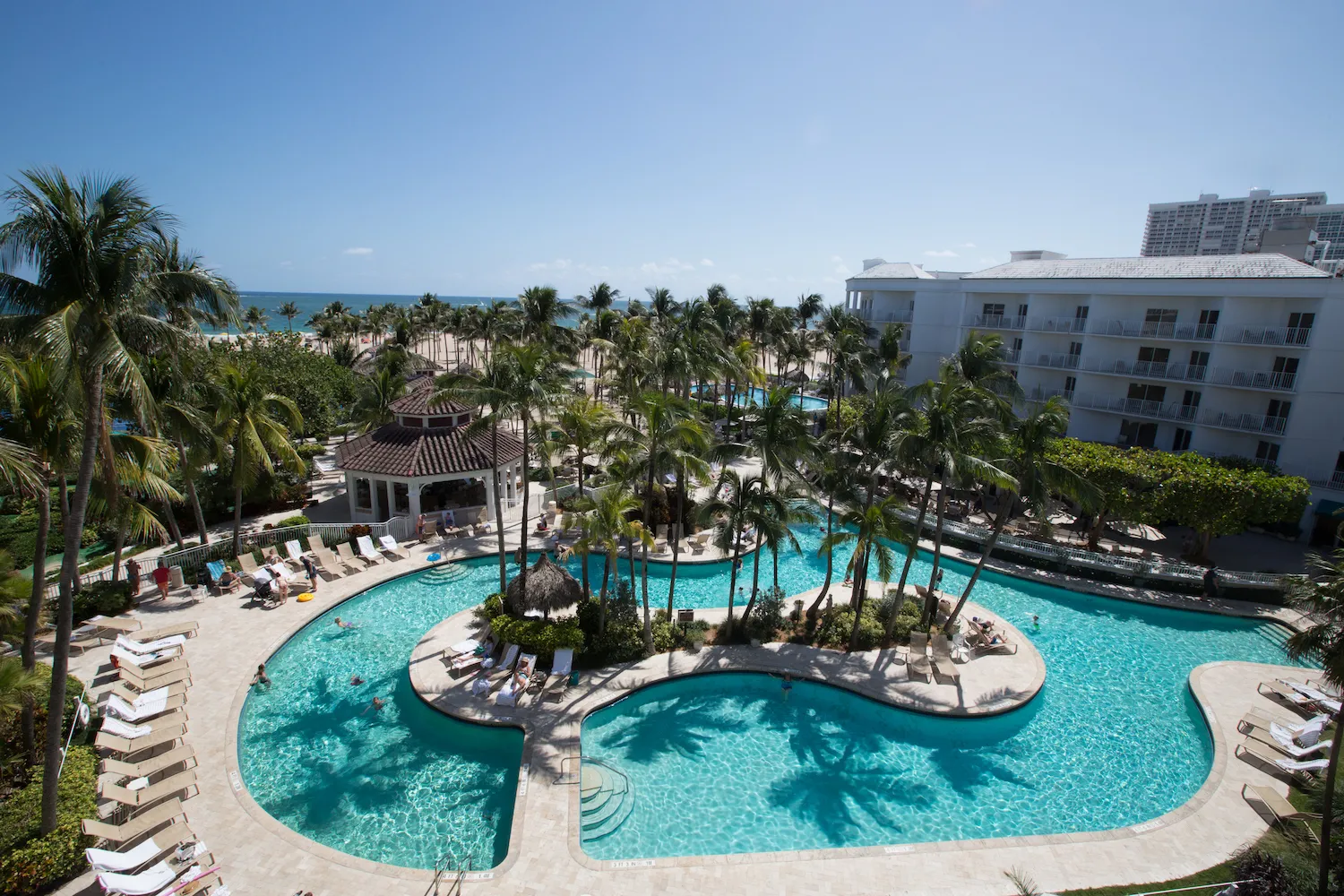
The designation of top lagoon resorts in america is frequently prone to oversimplification, as the term “lagoon” is used interchangeably for both natural coastal features and highly engineered artificial bodies. A natural lagoon is a dynamic, geologically defined environment separated from the ocean by sandbars or reefs. In contrast, the “lagoon” found in modern hospitality is typically an artificial, contained water body—often utilizing proprietary filtration technology—designed to deliver a controlled, reliable “beach” experience in locations where such an environment would otherwise be impossible.
The risk in evaluating these resorts lies in ignoring this distinction. Guests often seek the “top lagoon resorts in america” expecting the ecological complexity of a natural bay, yet they arrive at a closed-circuit, engineered facility. While the latter offers undeniable benefits—such as consistent water clarity, safety, and temperature control—it functions more akin to an advanced pool than a natural ecosystem. True mastery in evaluating these resorts requires an understanding of how effectively a property leverages its water feature to drive occupancy, extend the length of stay, and justify premium pricing through a distinct, immersive narrative.
Deep Contextual Background
The evolution of these aquatic destinations has been driven by the need for differentiation in a saturated hospitality market. Historically, American resorts relied on ocean proximity or standard pool complexes. However, as land-use costs increased and the demand for year-round, weather-independent recreation grew, developers began looking for ways to capture the “coastal” market in landlocked or non-tropical regions.
The advent of patented lagoon technology in the early 21st century served as a catalyst for this shift, providing a scalable way to create turquoise, beach-front environments with a fraction of the water and energy demands of traditional pools or golf courses. This technology allowed developers to transform underutilized real estate into “destinations,” moving away from the “attraction” model toward a “vacation ecosystem” where every amenity, from food and beverage to sports, is centered around the primary aquatic feature.
Conceptual Frameworks and Mental Models
-
The Ecosystem-Anchored Model: This view treats the resort as a biological and structural unit where the lagoon serves as the central lung, regulating guest flow, climate comfort, and aesthetic value.
-
The Utility Load-Balance Framework: Resorts must treat their aquatic features as a major utility consumer, necessitating site-specific modeling of water circulation, drainage, and thermal energy to prevent municipal infrastructure bottlenecks.
-
The “Destination vs. Attraction” Duality: A resort becomes a destination when the aquatic feature is integrated with lodging, food, and programming, keeping guests on-site for multiple days, whereas an attraction relies on daily turnover.
Key Categories and Structural Variations
| Category | Primary Technology | Environment | Utility Burden |
| Engineered Crystalline | Proprietary Ultrasound/Filtration | Variable | Low (Optimized) |
| Re-circulating Concrete | Traditional Mechanical | Pool-like | High |
| Natural/Coastal | Tidal Exchange | Natural Coast | Low (Environmental Risk) |
| Integrated Adventure | Hybrid Pool/Slide Systems | Resort/Waterpark | Very High |
Decision logic for developers typically favors engineered, closed-circuit systems in landlocked or non-coastal areas due to their operational predictability and regulatory compliance. Conversely, coastal resorts often utilize natural or hybrid systems where the interaction between the resort and the existing maritime ecosystem is a legal and environmental requirement.
Detailed Real-World Scenarios
-
The Scalability Crisis: A resort launches with an 8-acre lagoon, but fails to account for the peak-season water-filtration demand during a heatwave. The chemical and energy balance shifts, leading to unexpected closure. Second-order effect: Loss of guest trust and substantial ADR (Average Daily Rate) volatility.
-
The Infrastructure Bottleneck: A project in a growing municipality secures land, but the existing sewer and water lines are insufficient for the facility’s massive throughput. Construction stalls for years while municipal upgrades are negotiated, turning an asset into a liability.
Planning, Cost, and Resource Dynamics
| Project Phase | Cost/Resource Focus | Variability |
| Pre-Development | Zoning, Legal, Environmental Studies | Extreme |
| Vertical Construction | Civil Engineering, Basin Lining, Tech Integration | High |
| Operational | Energy, Chemicals, Staffing | Moderate |
Development budgets for large-scale aquatic resorts routinely exceed $200–$300 million, largely driven by the cost of integrating hotels with massive, engineered water systems. Developers must account for long lead times in municipal approval, often spanning multiple years before ground can be broken.
Tools, Strategies, and Support Systems
-
Closed-Circuit Filtration: Reduces chemical and water waste compared to standard pool systems.
-
Molecular Film Technology: Used to reduce water evaporation by up to 50%, a critical factor for arid climates.
-
Automated Monitoring Algorithms: Provides real-time data on water chemistry, circulation, and power usage.
-
Public-Access Hybrid Models: Allows revenue generation from both guests and local day-pass visitors, maximizing ROI on the aquatic feature.
Risk Landscape and Failure Modes
Risk in the aquatic resort sector is compounding. Failure to model current-season usage leads to improper maintenance, which triggers secondary degradation of water quality, eventually resulting in full system shutdowns. Regulatory shifts—such as new water-usage restrictions or environmental protections—can also render existing lagoon designs non-compliant, necessitating costly retrofits.
Governance, Maintenance, and Long-Term Adaptation
Effective governance requires a culture of “preventative vigilance,” characterized by:
-
The Layered Checklist: Routine audits covering mechanical pump integrity, filtration efficacy, and water chemistry stability.
-
Climate-Adaptive Thresholds: Modifying filtration cycles based on ambient temperature and guest load, rather than a static schedule.
Measurement, Tracking, and Evaluation
-
Leading Indicators: Filter pressure, circulation speed, chemical additive consumption rates.
-
Lagging Indicators: RevPAR (Revenue Per Available Room) growth, guest satisfaction scores regarding “lagoon experience,” maintenance cost-per-square-foot.
Common Misconceptions and Oversimplifications
-
Myth: Lagoons are merely “giant pools.” Correction: Engineered lagoons use entirely different, much more efficient filtration physics and water management strategies.
-
Myth: They are environmentally damaging. Correction: Modern systems often consume less water than local golf courses or standard commercial park landscaping.
-
Myth: Development is quick. Correction: Engineering and permitting processes can take years, particularly in coastal or environmentally sensitive zones.
Conclusion
The pursuit of the top lagoon resorts in america reveals a sector defined by technical precision and economic ambition. By bridging the gap between land-based leisure and coastal-inspired immersion, these destinations have redefined the expectations of the modern traveler. Their success, however, is not guaranteed by the mere presence of water; it is earned through rigorous infrastructure planning, operational excellence, and a commitment to sustainable management. As the industry looks forward, the ability to maintain these complex “vacation ecosystems” while navigating the constraints of environmental and municipal change will remain the ultimate marker of authority and longevity.